Share:
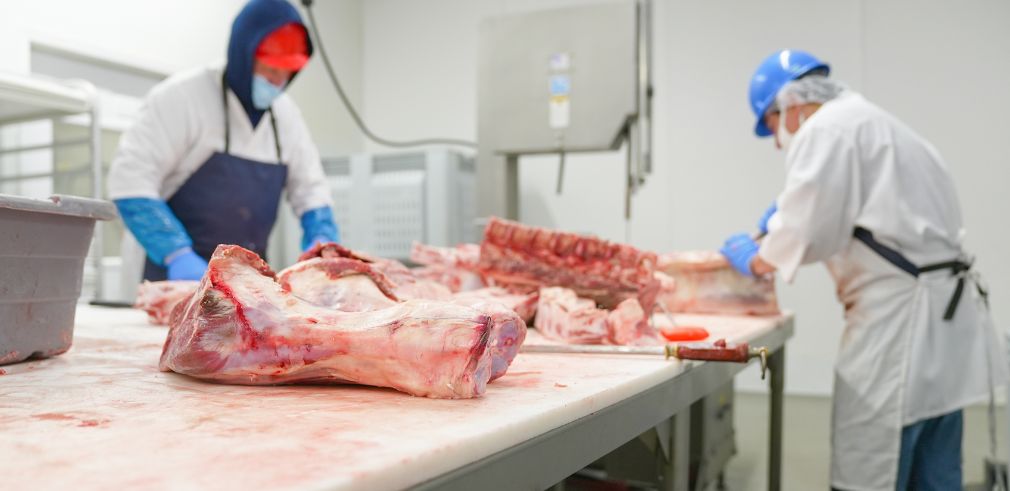
Did you know that thousands of euros are lost every day in many food production plants due to inefficient processes? Uncontrolled inventories, downtime on the production line, incomplete traceability, and constantly changing regulations. If you work in the meat industry, this situation is probably familiar to you.
The pressure on the sector has never been higher. Consumers are demanding more transparency, authorities are imposing increasingly strict regulations, and profit margins continue to tighten. In this sense, the question is no longer whether you should digitize your company, but when. And the answer is clear: now. We’ll give you the keys below!
Let’s be clear. The food industry, and more specifically the meat industry, has been facing the same challenges for years:
Profit margins in the meat industry are tight, and operational inefficiencies only exacerbate the problem. Often, a lack of inventory control, disorganized production, or a lack of process visibility leads to increased waste and financial losses.
The meat industry faces some of the most stringent regulations of any food sector. Laws on traceability, labeling, food safety, and animal welfare are constantly changing, and penalties for non-compliance are severe.
Today’s consumer is more demanding than ever. They want to know not only what they are eating, but also how it is produced. This translates into the need for greater transparency and traceability. Meat products, in particular, must meet quality and food safety standards, but also offer certainty regarding sustainability and animal welfare.
The meat industry is plagued by fragmented processes and manual tasks that create bottlenecks and slow down production. The lack of integration between inventory management, production, and distribution systems prevents data from flowing efficiently. This not only increases the risk of human error but also creates delays and additional costs due to the need to perform repetitive tasks and correct process errors.
Digitalization is the tool the meat industry needs to adapt to the sector’s new challenges. It’s not just about implementing technology for its own sake, but about choosing the right solutions that solve the specific problems of meat production. Here are four key digital solutions that are making a difference for many meat companies, and why you should consider them now:
A specialized ERP for the meat industry like IOCárnicas is key to maintaining complete control over the entire value chain, from meat reception to final distribution. This system allows for efficient management of the traceability of each product, which is vital in such a highly regulated sector. But what really sets a specialized ERP apart?
The meat industry is constantly changing. Demand fluctuations, price variability, and regulatory changes are just a few of the unpredictable factors. This is where Business Intelligence (BI) tools, like Power BI, come into play, helping you:
Manual work in the meat industry is not only slow, but also error-prone. Automating repetitive tasks and digitizing administrative processes is a way to increase productivity and minimize errors. Microsoft Power Platform and Office 365 are tools that allow you to automate processes through:
Working in the cloud is not only more flexible, but also improves security and real-time collaboration. In the meat industry, where large volumes of data and complex operations are handled, a cloud solution like Microsoft Azure or Microsoft 365 ensures that all information is centralized, accessible, and secure thanks to:
In a sector as competitive and regulated as the meat industry, technology offers solutions that not only solve today’s problems but also open doors to new growth opportunities. If you haven’t yet considered digitalization in your company, now is the time to take a step forward. Want more information on how to do it? Contact us!